
2-Stroke vs 4-Stroke Outboard Motors: Key Differences for Buyers
Choosing between a 2-stroke and 4-stroke outboard motor is about more than horsepower. The right choice depends on your boat, how you use it, the specific engine model, local requirements, maintenance expectations and the condition of the motor you are considering.
This guide explains the major differences buyers should understand before comparing outboards for sale.
How 2-Stroke and 4-Stroke Outboards Differ
The terms describe how the engine completes its combustion cycle. That mechanical difference influences characteristics such as weight, lubrication, emissions, fuel use, sound and maintenance. However, technology varies considerably by manufacturer and generation, so buyers should compare specific models rather than assuming every engine in one category behaves the same way.
Weight and Power-to-Weight Considerations
Traditional 2-stroke outboards are often associated with relatively simple construction and favorable power-to-weight characteristics. Weight matters because every boat has design limits and because engine weight affects balance and performance.
Modern 4-stroke designs have developed substantially, but you should still compare the published weight of the exact engines you are considering. Always check the boat manufacturer’s specifications before changing horsepower or engine weight.
Fuel, Lubrication and Operating Characteristics
Four-stroke outboards use a dedicated engine-oil system, while traditional two-stroke designs require oil as part of the lubrication process. Fuel-delivery technology also varies between older carbureted engines and newer electronic or direct-injection systems.
Modern 4-stroke engines are commonly chosen by boaters looking for refined operation and fuel efficiency, while some buyers value 2-stroke engines for simplicity or particular performance and commercial applications. Actual fuel consumption depends on the engine, boat, load, propeller, speed and operating conditions.
Maintenance: Compare the Specific Engine
Neither engine type should be treated as maintenance-free. Service requirements differ, so review the manufacturer’s schedule for the exact model. When considering a used engine, service history and present condition may matter more than whether the motor is a 2-stroke or 4-stroke.
Our used outboard motor buying guide covers service records, engine hours, corrosion, inspection and other checks worth making before purchase.
Emissions and Local Requirements
Emission standards and restrictions can differ by jurisdiction and waterway, and engine technology has changed over time. Before buying an older outboard, especially for use in a particular state, lake or protected area, check the rules that apply where you intend to operate it.
Which Type Is Better for Your Boat?
There is no universal winner. Start with compatibility: required horsepower, shaft length, engine weight, steering, controls and rigging. Then consider your boating style, expected usage, service access and budget.
If you are still determining the correct size and configuration, read how to choose the right outboard motor for your boat. If 20HP is within your boat manufacturer’s permitted range, our 20HP outboard motors comparison explains the differences between current Mercury, Suzuki and Honda configurations.
Compare Current Outboard Options
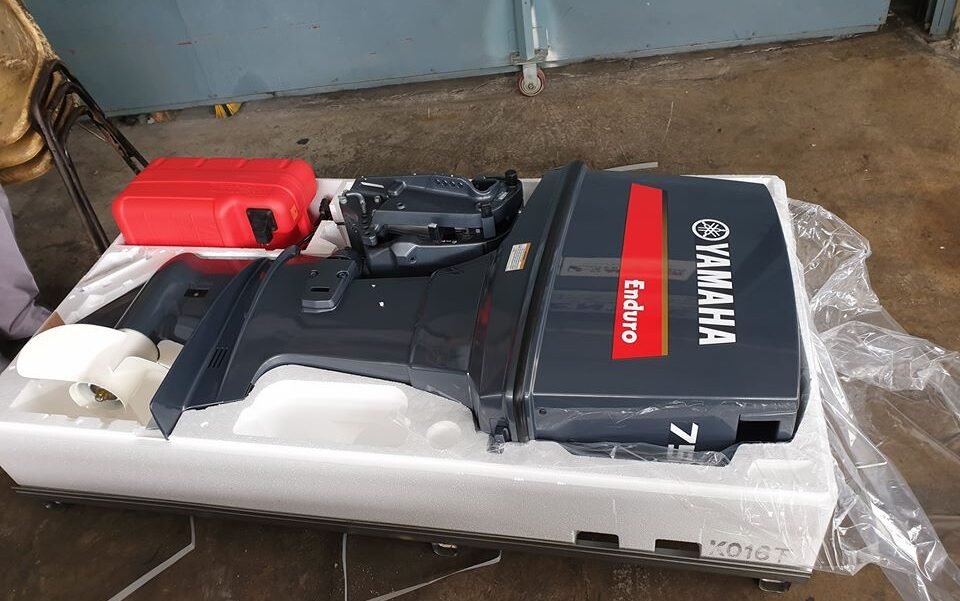
Buyers can compare Alexia Motor Yacht’s Yamaha 2-stroke outboards and Yamaha 4-stroke outboards with the growing Tohatsu, Mercury, Suzuki and Honda four-stroke ranges.
Buyer Checklist
- Confirm the boat manufacturer’s horsepower and engine-weight limits.
- Match the correct shaft length to the boat.
- Compare the exact model’s published weight and specifications.
- Check steering, controls, gauges and rigging compatibility.
- Review fuel and lubrication requirements.
- Understand the manufacturer’s maintenance schedule.
- For used engines, review service history and condition.
- Check applicable emissions or waterway requirements.
- Confirm what equipment is included in the sale.
Once you know the configuration your boat requires, compare individual engines on their specifications and condition rather than choosing solely on the 2-stroke or 4-stroke label. Browse Alexia Motor Yacht’s current inventory and confirm the exact model details before ordering.